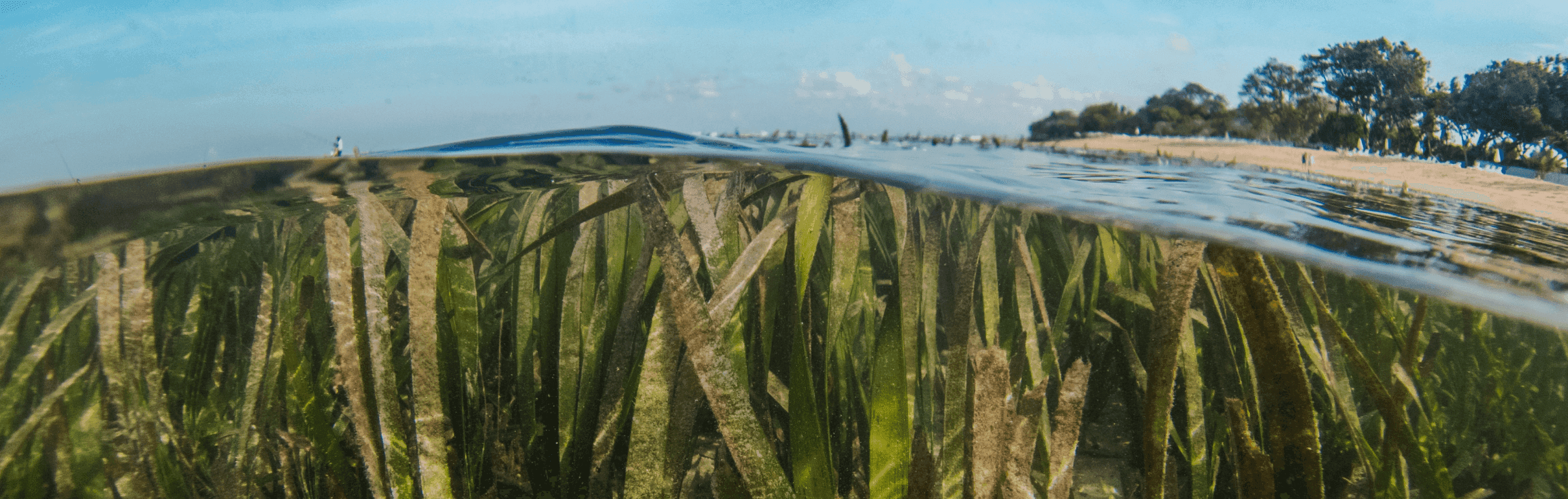

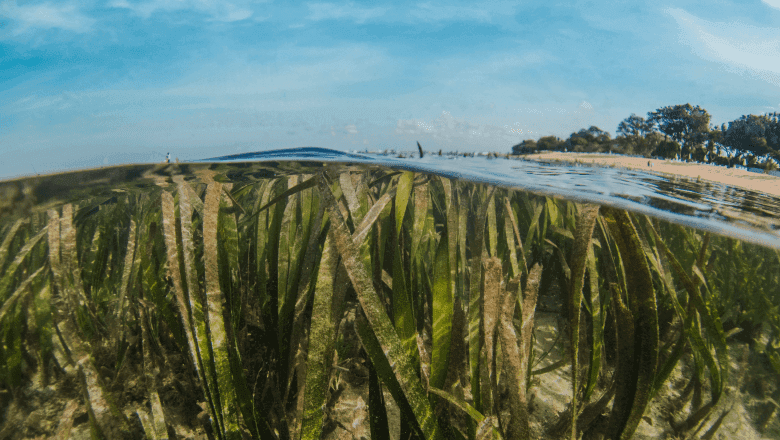
Our goal is to clean up excess greenhouse gas from our atmosphere.
There are three types of greenhouse gas that need to be cleaned up: carbon dioxide, methane and nitrous oxide.
As of today the majority of suppliers of greenhouse gas removal focus on carbon dioxide removal. So we are starting there. We work with a range of suppliers who use different, proven, independently verified methods to remove carbon dioxide from our atmosphere.
This carefully balanced portfolio approach to purchasing atmospheric cleanup simplifies the process for our community, reduces project risk by avoiding over-reliance on a single provider or method, and enables us to support more expensive, scalable technologies without making the cost prohibitive.
Currently, our method mix includes Biomass Sinking, Enhanced Rock Weathering (ERW), Biochar and Direct Air Capture (DAC). The carbon removal field is rapidly evolving, we expect the methods we support to change over time as the industry grows.
Every method and supplier we partner with is rigorously assessed using our Impact Framework to ensure effectiveness and integrity. We focus on methods that are; permanent, additional and fast.
Enhanced Rock Weathering
Rock weathering is a natural process that has been removing carbon dioxide from the atmosphere for millions of years, already responsible for capturing 1 billion tonnes of carbon dioxide annually. Here’s how it works: when rainwater mixes with carbon dioxide in the air, it forms a weak acid (carbonic acid). This acid reacts with rocks and soil, turning the carbon dioxide into solid carbonates, safely locking it away for good.
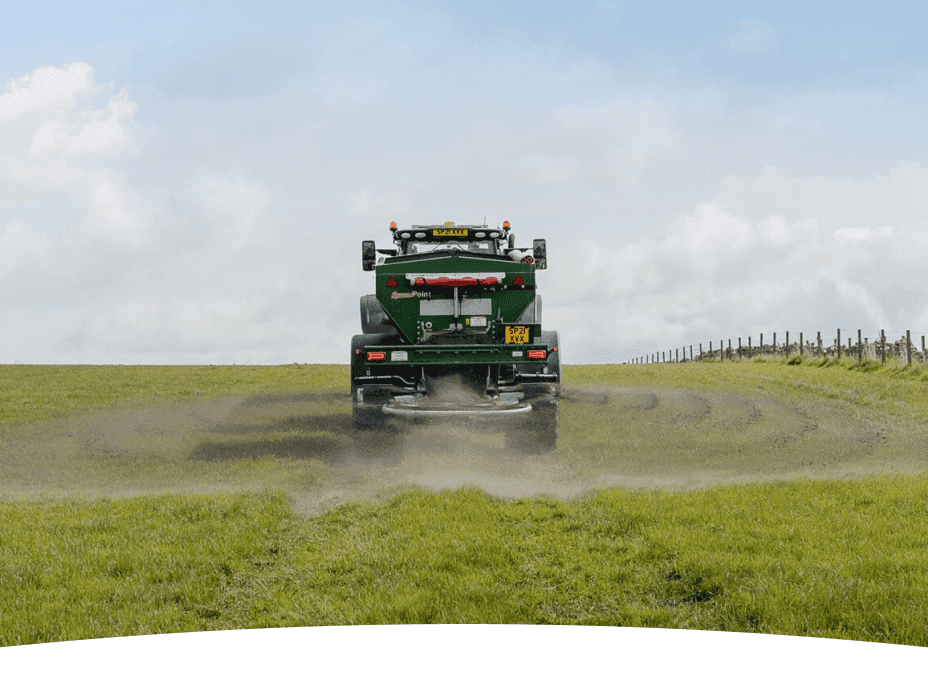
Enhanced Rock Weathering speeds this up. By crushing silicate rocks into a fine powder, we increase their surface area, accelerating the process. This powder is then spread on farmland, using existing farming practices without harming the land. As the rock breaks down, it also releases valuable nutrients like calcium, potassium, and magnesium, boosting soil health and reducing the need for fertilisers.
In short, it’s a win-win: capturing carbon dioxide while enriching the soil.
Biochar
Biochar is one of the safest, most durable & fastest ways to draw down carbon.
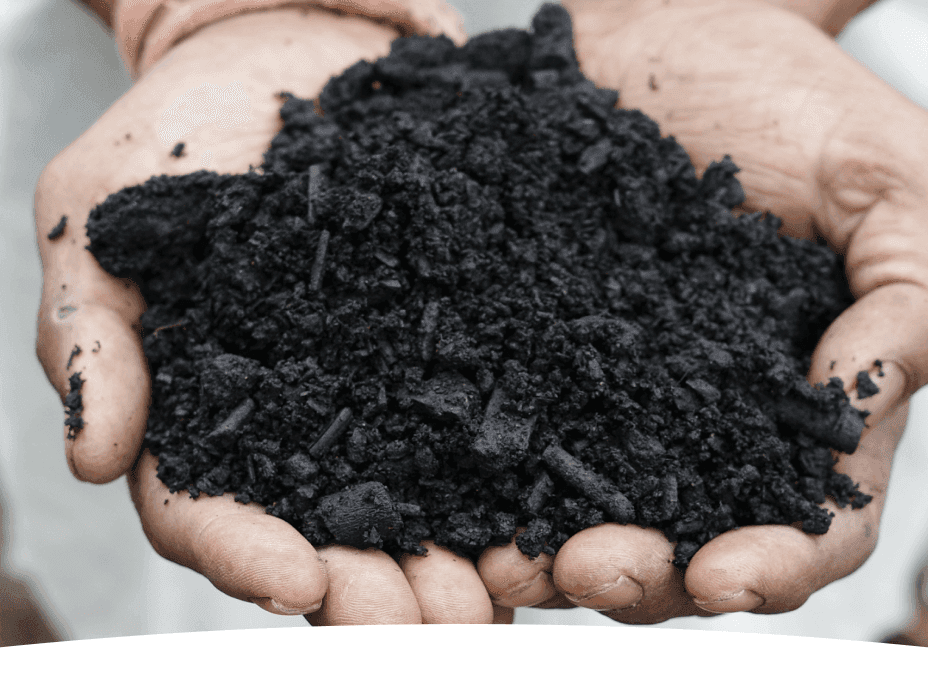
It is a carbon-rich, black substance that looks a lot like charcoal. Biochar is created by heating organic materials like wood, leaves and straw to high temperatures without oxygen (a process known as pyrolysis). This method locks carbon into a stable form that resists decomposition, allowing it to be sequestered in the soil for over a century. Not only is biochar a fast and reliable way to remove carbon, but it also improves soil health.
When added to soil, biochar acts like a sponge, retaining water and nutrients while supporting microbial and fungal life. This enhances soil structure, reduces run-off, and promotes healthier plant growth for the long term.
Biomass Storage
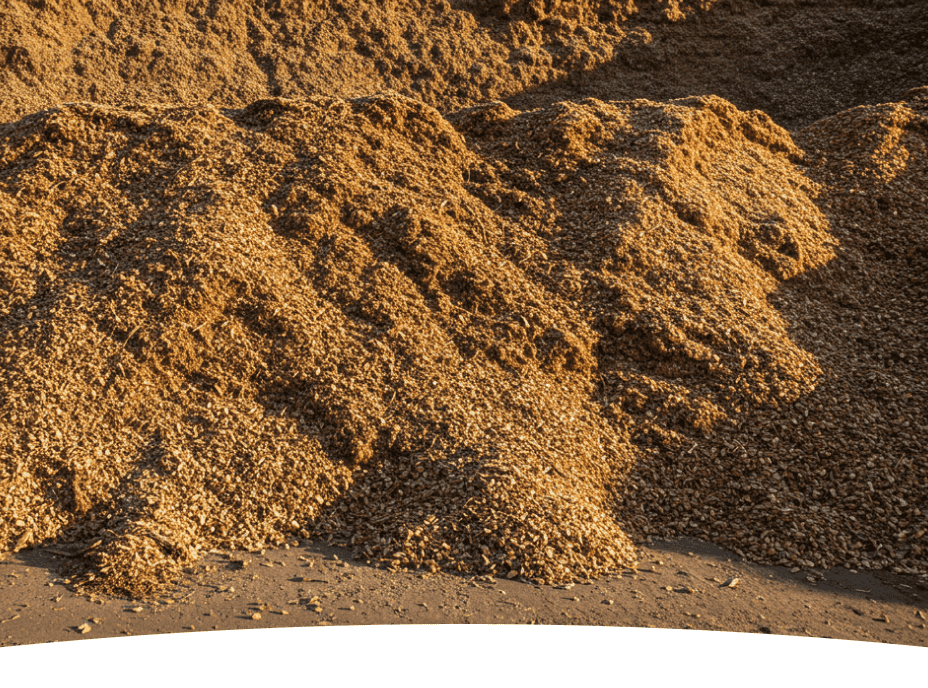
Plants absorb carbon dioxide as they grow, but when they decompose, most of that carbon is released back into the atmosphere. The key to preventing this? Stopping decomposition before it starts.
By placing plant material in oxygen-free (anoxic) environments, we can slow down or even halt the breakdown process, keeping the carbon locked away for the long term. This can be done in specially designed underground or enclosed storage sites, preventing microbes from turning biomass back into carbon dioxide.
Biomass Storage is a simple yet powerful way to keep carbon safely out of the atmosphere, using natural processes to create lasting impact.
Direct Air Capture
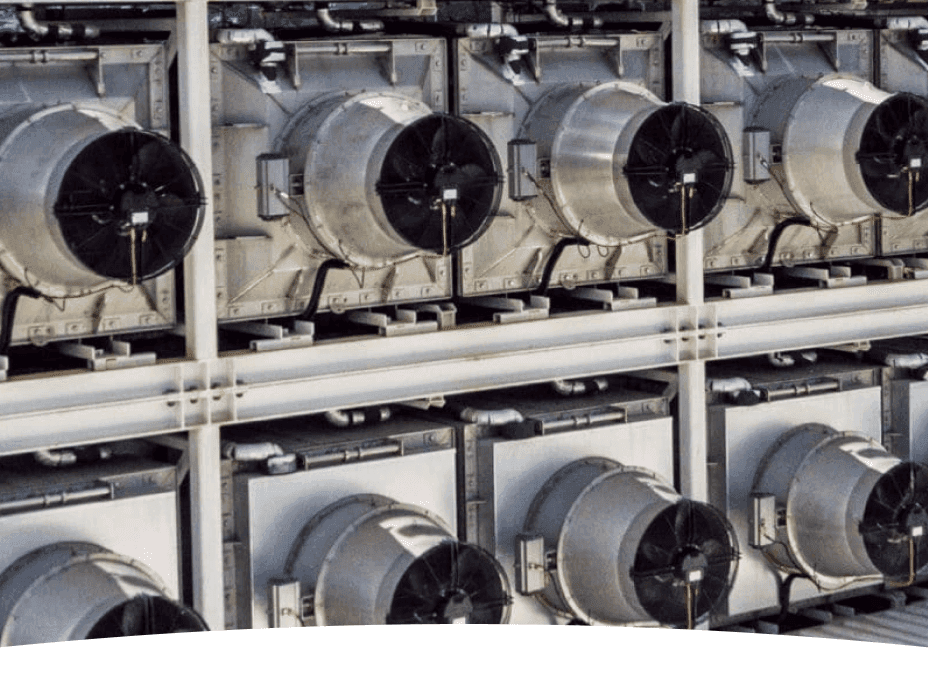
Using large fans and chemical processes, Direct Air Capture plants remove atmospheric carbon dioxide which can either be permanently stored underground or used to produce a range of commercial products such as building materials or fuels.
The large fans suck air into the plant where is passes over material that reacts with the carbon dioxide, capturing it in the material, before the cleaned air is released back into the atmosphere.
The materials are then subjected to heat or electricity to release the carbon dioxide which is collected to be used or stored.
A Direct Air Capture plant can remove as much carbon dioxide as a tropical forest that takes up 40 times more land.
Our blended portfolio approach to climate clean up
Your greenhouse gas removal questions answered
Still got a burning question? - we’ve answered a lot more in our Frequently Asked Questions.
Do you focus on UK solutions?
What is the portfolio split between the different methods?